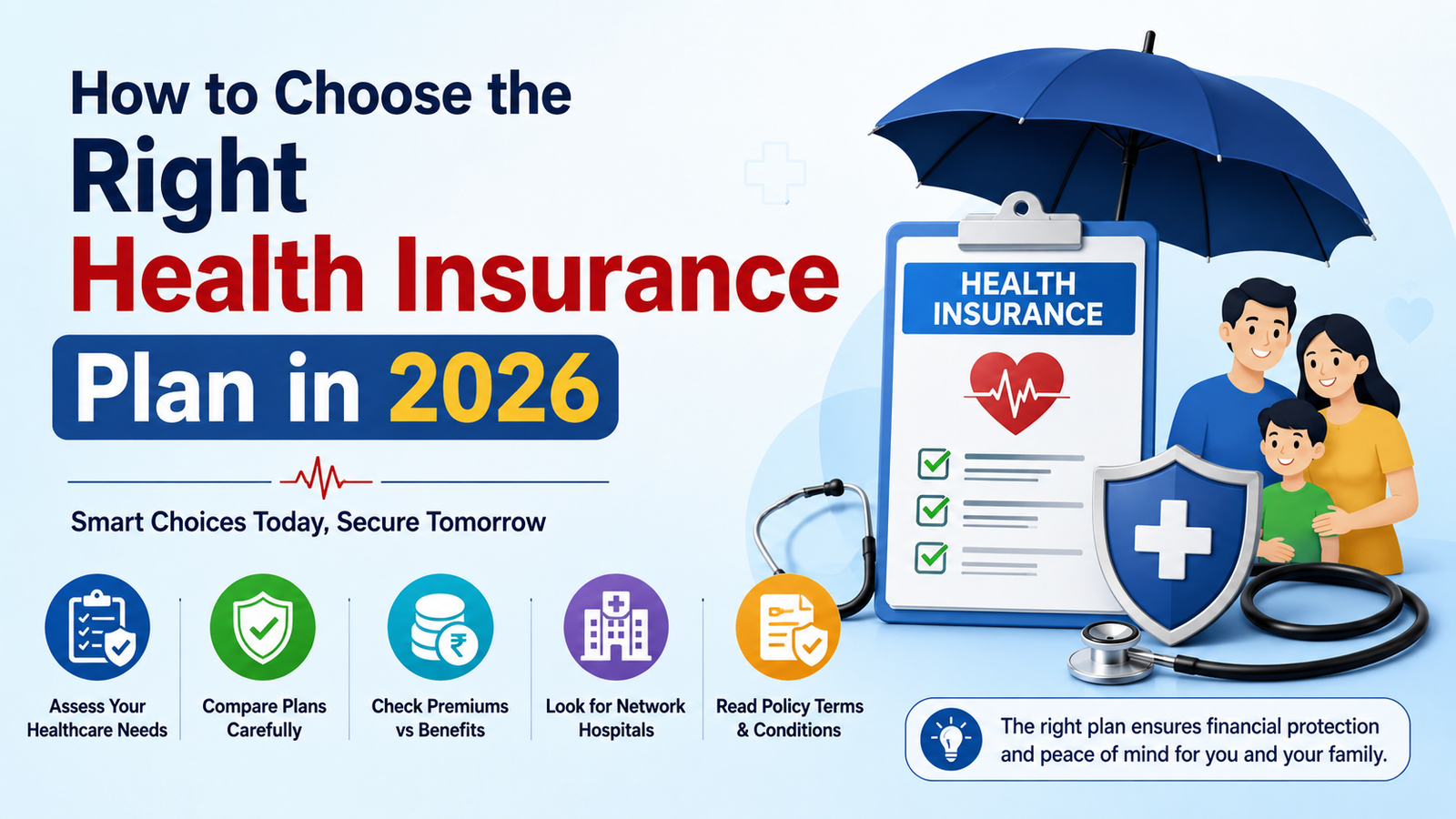
Choosing the right health insurance plan in 2026 can feel overwhelming. With different premiums, deductibles, provider networks, copayments, coinsurance, and coverage rules, it is easy to focus on the monthly price and overlook the bigger picture. The best health insurance plan is not necessarily the cheapest option. Instead, it is the plan that offers the right balance between affordability, healthcare access, and financial protection for your personal situation.
Whether you are buying coverage for yourself, your family, or your employees, understanding the key factors can help you make a more confident decision. Here is a practical guide to choosing the right health insurance plan in 2026.
1. Start by Understanding Your Healthcare Needs
Before comparing insurance plans, think about how often you and your family use healthcare services. Someone who rarely visits a doctor may prefer a plan with lower monthly premiums, while a person managing ongoing medical needs may benefit from a plan with higher premiums but lower out-of-pocket costs.
Consider your expected healthcare needs, including:
- Regular doctor visits
- Prescription medications
- Specialist appointments
- Preventive screenings
- Mental health services
- Emergency care
- Planned surgeries or treatments
- Maternity and newborn care
Review your healthcare expenses from the previous year if possible. This can give you a realistic idea of how much you might spend under a new plan.
2. Compare Monthly Premiums
The premium is the amount you pay to maintain your health insurance coverage, usually every month. It is one of the easiest costs to compare, but it should not be the only factor influencing your decision.
A plan with a low monthly premium may have a high deductible or greater out-of-pocket expenses. On the other hand, a plan with a higher premium may provide lower costs when you actually receive medical care.
When comparing plans, calculate the estimated annual premium:
Monthly premium × 12 = Annual premium
Then consider this amount alongside the deductible, copayments, coinsurance, and maximum out-of-pocket limit.
3. Look Carefully at the Deductible
A deductible is the amount you generally pay for covered healthcare services before your insurance begins paying according to the plan’s benefits.
For example, a plan with a $2,000 deductible may require you to pay eligible expenses toward that amount before certain services are covered by the insurer.
A lower deductible can be useful if you expect frequent medical care. However, plans with lower deductibles often come with higher monthly premiums. If you rarely use healthcare services, a higher-deductible plan may potentially reduce your monthly costs.
Always check which services are covered before the deductible applies, because preventive care and certain other benefits may have different cost-sharing rules.
4. Check the Out-of-Pocket Maximum
The out-of-pocket maximum is an important feature that can protect you from extremely high covered healthcare expenses during a plan year.
After you reach the plan’s applicable out-of-pocket limit for covered services, the insurance company generally pays 100% of covered benefits for the remainder of the plan year, subject to the plan’s rules.
When comparing plans, ask yourself:
- How much is the out-of-pocket maximum?
- What expenses count toward it?
- Are premiums included?
- Are out-of-network costs included?
- Does the limit apply separately to individual and family coverage?
A plan with a reasonable out-of-pocket maximum can provide valuable financial protection if you experience a serious illness or unexpected medical emergency.
5. Verify the Provider Network
A health insurance plan may offer excellent benefits, but it may not be a good choice if your preferred doctors and hospitals are outside its network.
Before enrolling, check whether your:
- Primary care doctor
- Specialists
- Preferred hospitals
- Clinics
- Pharmacies
are included in the plan’s network.
Also understand the difference between in-network and out-of-network care. Some plans provide limited coverage for out-of-network services, while others may offer little or no coverage except in emergencies.
If you have an established relationship with a particular doctor, confirming network participation before selecting a plan can prevent unexpected expenses.
6. Review Prescription Drug Coverage
If you regularly take prescription medication, carefully examine the plan’s drug coverage. Insurance companies often organize medications into different tiers, with different cost-sharing requirements.
Check:
- Whether your medications are covered
- Which tier each medication belongs to
- Copayments or coinsurance
- Generic alternatives
- Mail-order options
- Pharmacy network requirements
- Prior authorization rules
A plan with a low premium may not be the most affordable choice if your prescription costs are significantly higher.
7. Understand Copayments and Coinsurance
Copayments and coinsurance determine how much you pay when receiving covered healthcare.
A copayment is usually a fixed amount for a covered service, such as a doctor visit. Coinsurance is generally a percentage of the allowed cost of a covered service after applicable deductibles are met.
For example, you might pay a fixed copayment for a primary care visit or a percentage of the cost of a hospital service. Understanding these expenses can help you estimate your potential healthcare spending throughout the year.
8. Consider Health Savings Account Eligibility
If you are considering a high-deductible health plan, check whether it qualifies for a Health Savings Account (HSA). HSAs can offer tax advantages to eligible individuals and may allow you to save money for qualified healthcare expenses.
However, HSA eligibility depends on specific requirements, and not every high-deductible plan automatically qualifies. If an HSA is important to you, confirm eligibility before enrolling.
9. Look Beyond the Price
Health insurance is a financial protection tool, not simply a monthly subscription. A plan that appears inexpensive could become costly if it has limited networks, expensive prescriptions, or high cost-sharing requirements.
Instead of comparing only premiums, estimate your potential total annual cost:
Annual premiums + expected healthcare expenses + potential out-of-pocket costs
You may also want to consider a worst-case scenario by looking at the annual premium plus the applicable out-of-pocket maximum. This can help you understand how financially exposed you could be during a major medical event.
10. Compare Plans Before the Enrollment Deadline
Health insurance options and enrollment rules can change. Before selecting coverage in 2026, carefully review the current plan documents, official enrollment information, provider directories, and drug formularies.
Take time to compare at least three plans when possible. Write down the premium, deductible, out-of-pocket maximum, network type, prescription coverage, and estimated annual costs for each option.
Final Thoughts
Choosing the right health insurance plan in 2026 requires more than selecting the lowest monthly premium. The ideal plan should match your healthcare needs, financial situation, preferred doctors, prescription requirements, and tolerance for unexpected expenses.
Start by estimating your healthcare usage, then compare premiums, deductibles, out-of-pocket maximums, provider networks, prescription coverage, and cost-sharing requirements. Most importantly, consider both your expected healthcare expenses and the financial protection the plan provides in a worst-case situation.
By taking a complete view of the costs and benefits, you can make a more informed decision and select health insurance coverage that provides meaningful protection throughout 2026.